


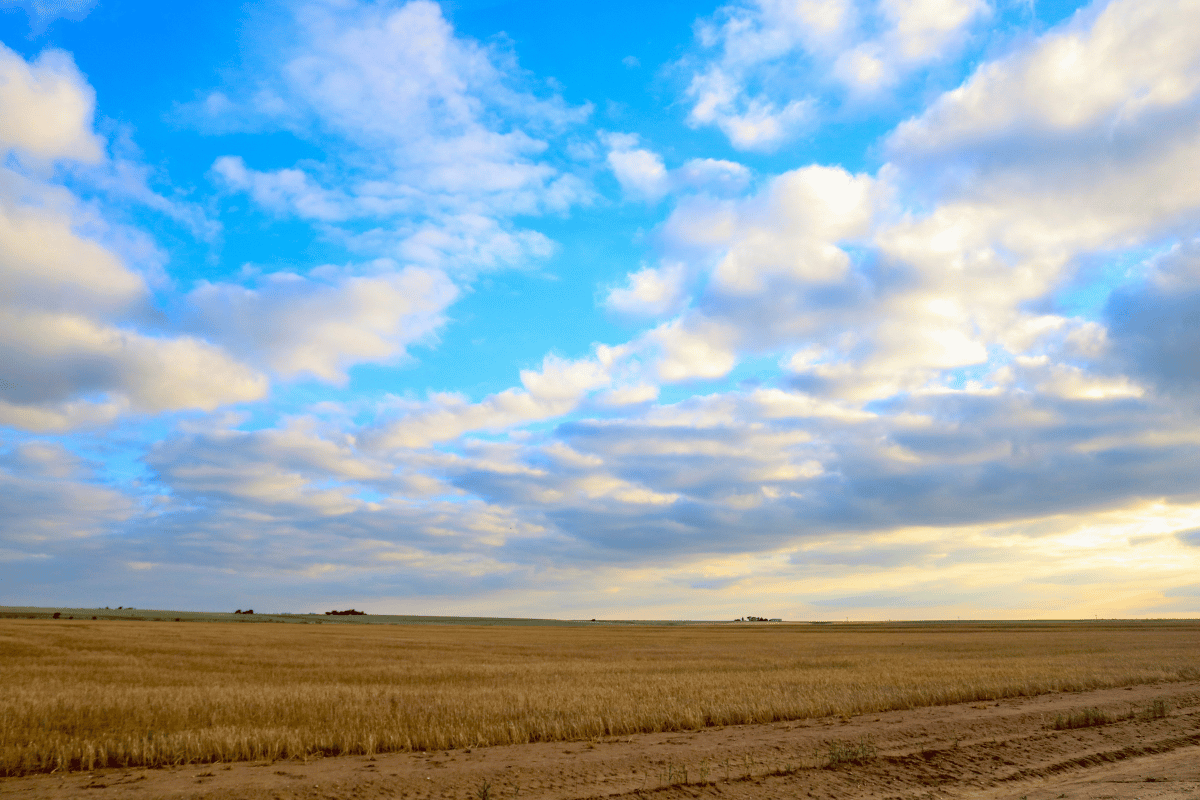
Owning land in West Texas gives you room to build, explore, invest, and create a property that fits your goals. At Lonestar Investments, we know that every piece of land is different, which is why West Texas property planning should start with a clear idea of how you want to use your property. Whether you are thinking about a home, ranch, recreation, agriculture, or simply holding land as an investment, having a plan can help you make better decisions.
A land-use plan does not have to be complicated. You can start with your goals, look at the property itself, and then decide what improvements make sense. Taking the time to think ahead can also help you avoid spending money on projects that do not fit your long-term plans.
Looking for land in West Texas? Contact Lonestar Investments at (915) 532-5263 to discuss available properties and find land that fits your goals.
Start With Your Long-Term Goals
Before making plans for your property, think about what you want it to become. Your plans may change over time, but having a starting point gives you a direction to follow.
For example, you may want to build a primary residence, create a weekend getaway, establish a small ranch, or keep the property mostly undeveloped. Some landowners are more interested in recreation, while others want to improve the property and eventually sell it.
Write down your top priorities. Then separate your must-have projects from improvements that would simply be nice to have. This makes it easier to create a realistic plan.
Define Your Purpose
Start by identifying the main purpose of the property. This decision will influence nearly every other choice you make.
If you want a ranch, you may need to think about fencing, livestock areas, water, access roads, and storage. If you want a vacation property, your priorities may include a home site, utilities, outdoor living areas, and recreational space.
You do not have to decide everything immediately. The goal is to understand what you want from the land over the next five, 10, or even 20 years.
Study the Property
Once you know what you want, take a close look at the land itself. A property may look ideal at first, but its terrain, access, drainage, vegetation, and available resources can affect what you can realistically do.
Walk the property if possible. Look at areas that are flat, elevated, shaded, or naturally suited for certain uses. Pay attention to existing roads and areas that may become difficult to reach after heavy rain.
It is also smart to learn about property boundaries, easements, deed restrictions, zoning requirements, and local regulations before starting major projects. Requirements can vary depending on the location and intended use.
Plan Your Improvements
After evaluating the land, you can start deciding which improvements should come first. This is where planning rural property improvements becomes especially helpful.
Think about your property as a series of phases instead of trying to complete everything at once. You might begin with access and fencing, then address water and utilities, and eventually move on to construction.
A simple priority list might include:
- Access: Roads, driveways, gates, and parking areas
- Basic infrastructure: Water, electricity, septic, or other utilities
- Structures: Home, cabin, barn, shop, or storage
- Land improvements: Fencing, landscaping, agricultural areas, or recreation spaces
The right order will depend on your property and goals. In many cases, taking care of basic access and infrastructure first makes future projects much easier.
If you are still looking for the right property, Lonestar Investments can help you explore West Texas land options. Call us at (915) 532-5263 to learn more about available properties.
Think About Water and Utilities
Water is one of the most important considerations when planning rural land. Before choosing a building site or planning agricultural uses, find out what water resources are available and what options may be possible for the property.
Depending on the location, you may need to investigate a private well, water delivery, storage tanks, or other water sources. You should also understand any applicable rules before developing a water source.
Utilities deserve similar attention. Rural properties may not have the same access to public infrastructure as properties inside a city. You may need to consider electric service, septic systems, propane, solar power, or other options.
Knowing these details early can prevent surprises later.
Create a Property Map
A basic map can turn your ideas into a practical plan. You do not need a professional architectural drawing to get started. A simple sketch can help you visualize where different uses may fit.
Mark the property boundaries, existing roads, water features, structures, utility locations, and potential building areas. You can then add future improvements to see how everything fits together.
For larger projects, working with appropriate professionals can help you understand technical requirements and site limitations.
Plan for Future Changes
Good land planning leaves room for the future. You may have one idea for your property today and a completely different goal several years from now.
When considering rural land use planning in Texas, think about how each improvement could affect future projects. For example, placing a driveway in the right location may make it easier to reach a future home site. Installing utilities with future expansion in mind could also reduce the need for costly changes later.
It is helpful to review your plan every year or two. Your finances, family needs, property goals, and local conditions may change.
Keep Your Plan Practical and Flexible
A good land-use plan should guide your decisions without making you feel locked into one path. West Texas properties can offer plenty of possibilities, but those possibilities should match your budget, available resources, and long-term goals.
When thinking about how to plan the use of rural land, start small and focus on projects that provide real value. You do not need to build everything at once. A phased approach can make property improvements more manageable and give you time to learn what works best.
Your plan should also account for maintenance. Roads, fences, wells, buildings, landscaping, and other improvements all require ongoing attention. Building something is only part of the investment.
At Lonestar Investments, we understand that buying rural land is about more than simply owning acreage. It is about having a place that can support the way you want to live, work, invest, or spend your free time.
Turn Your Land Into a Long-Term Plan
Creating a personal land-use plan gives you a clearer picture of what your West Texas property can become. Start by defining your goals, studying the land, researching requirements, and prioritizing improvements. From there, you can build your plans in manageable stages.
For some owners, the goal may be a working ranch. For others, it may be a quiet retreat, recreational property, investment, or off the grid living West Texas lifestyle. There is no single right way to use rural land. The best plan is the one that fits your property and your goals.
At Lonestar Investments, we believe the right piece of land can provide opportunities for years to come. If you are searching for West Texas land to start your next chapter, give Lonetar Investments a call at (915) 532-5263 to learn more about our available properties.

